Office Burst Pipe Repair
Commercial Office Plumbing
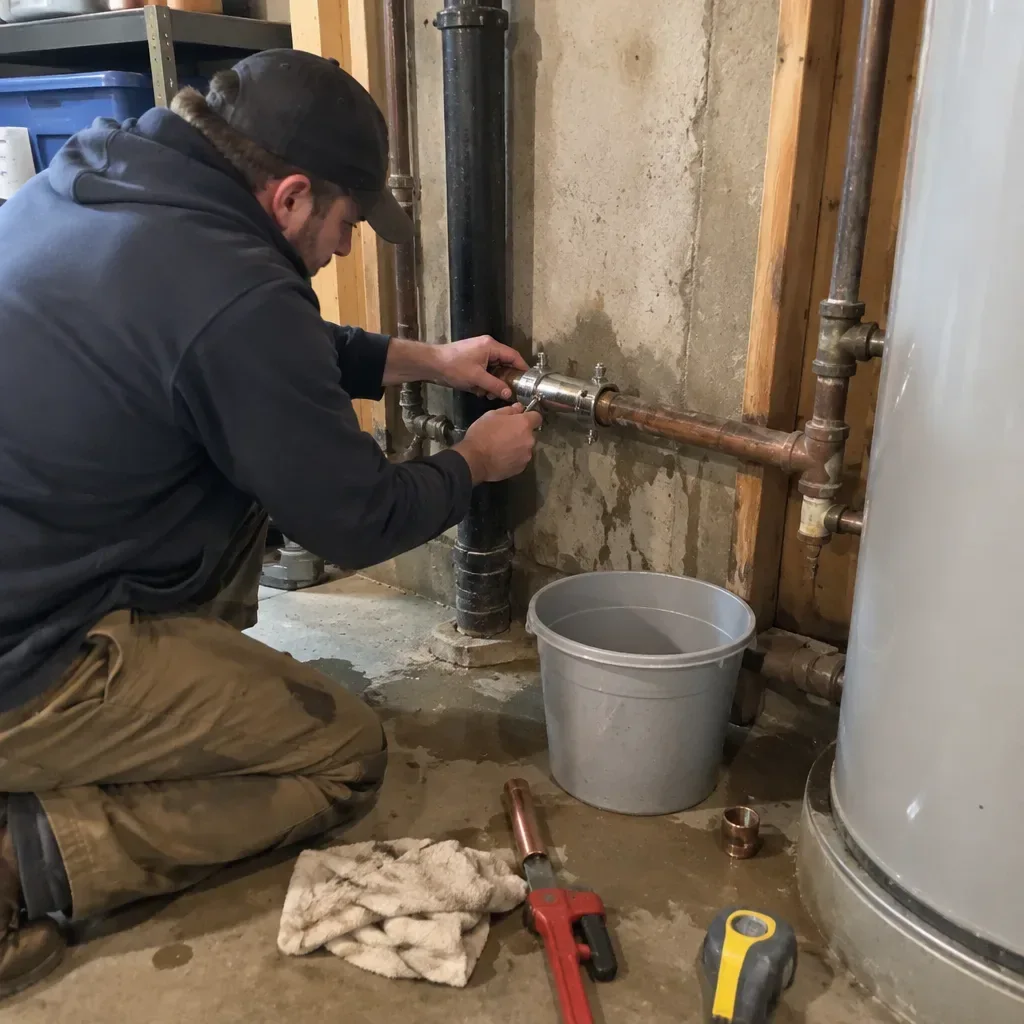
Plan healthcare pipe repair around room access, essential water use, and clear handoffs between facilities and clinical teams.
Coordinate facilities staff, clinical leadership, and operational leads to identify affected rooms, access rules, and water-dependent activities. Share those limits with the plumbing professional so the repair plan accounts for patients, staff, and essential operations.
Water may keep flowing through a damaged line until its supply is isolated. In a Brockton healthcare facility, the repair plan has to account for who uses the affected rooms, what services depend on that line, and when access can be arranged. Bring facilities staff and operational leaders into the discussion before settling on a work window. Their shared picture helps the pros we connect you with define a repair that fits the building’s care and operating needs.
Start with the rooms and functions that could be affected, not just the place where water became visible. In Brockton, facilities staff can use building plans and department knowledge to connect the leak area with patient-care rooms, staff workspaces, and support areas. A ceiling stain or damp wall may not sit directly beside the damaged pipe. Moisture near outlets or equipment can signal that water reached beyond the visible stain.
When a supply line fails in a Brockton medical facility, first identify which care and support functions depend on that water and when they can tolerate an interruption. Facilities staff and clinical leads can mark affected patient areas, equipment, sanitation needs, and essential services for discussion with the pros we connect you with. That helps shape access and isolation around real operating needs. Record agreed boundaries, decisions, and restoration checks so later shifts understand what changed. Hewitts Pond, Forge River, and Veterans Memorial Trail are local reference points; clinical priorities must come from the facility.
A line serving one room may also supply other parts of a Brockton facility. Before planning isolation, compare available plumbing drawings and valve labels with staff knowledge, then flag uncertain connections for the plumbing professional to assess. This helps avoid treating a local break as though it affects only the nearest room. The aim is to identify the smallest service area that can be safely isolated while giving operational leads enough information to consider the consequences for connected spaces.
Clinical and operational leaders can identify which water-dependent work must remain available and which activities might move or pause. Facilities staff can then share those priorities with the plumbing professional when discussing access and isolation in Brockton. Patient-care spaces and support functions may rely on different parts of the water system, so assumptions about what can be interrupted should come from people responsible for those services. That conversation makes the repair plan fit the facility’s real operating constraints.
| Care area | Water use | Access limits |
|---|---|---|
| Care schedules | Patient services with fixed appointment windows | Clinical leadership identifies workable access periods |
| Department support | Sterile processing, food service, housekeeping | Department managers flag tasks affected by isolation |
| Water-dependent tasks | Handwashing, cleaning, equipment supply connections | Operations leads rank services by continuity needs |
| Isolation scope | Fixtures and rooms connected to the branch | Facilities staff confirms which areas share the line |
| Room access | Badge rules, escort needs, clean work routes | Set entry conditions with the site contact |
| Work windows | Lower-activity periods and alternate service arrangements | Clinical and facilities leads agree on timing |
| Maintenance notes | Break location, pipe type, repair checks, restoration | Add findings and service status to facility records |
| Site location | Brockton address, campus entrance, approved access point | North Common, South Common, and Willow Brook Farm as map cues |
The break may be exposed, or it may sit behind a wall, above a ceiling, or below a floor. In a Brockton building, water showing in one area can have traveled from a concealed section, so the visible mark alone may not define the repair boundary. Share where moisture appeared and which spaces staff have reviewed. The plumbing professional can use that information to assess where access may be needed and how the proposed work could affect occupied rooms.
Choose a work window with both the affected service and nearby occupancy in view. A Brockton facilities lead can coordinate timing with department leaders who know when rooms are in use, when activities can shift, and which access routes need to stay clear. The proposed window should also account for any preparation needed to make the pipe reachable. This scheduling conversation helps avoid placing repair access directly across essential work or routine movement through the facility.
Agree on who can authorize entry, answer questions about the affected system, and pass updates to clinical leadership. In Brockton, that point of contact can explain badge, escort, and room-entry arrangements set by the facility, while avoiding assumptions about access to patient-facing or controlled areas. Share those requirements with the pros we connect you with before confirming a work window. Clear ownership of access decisions helps keep coordination with the right people as the repair scope is defined.
Keep a dated record of the Brockton facility’s affected areas, water service under review, operational contacts, and decisions about access or isolation. Note which drawings or valve references informed the discussion and identify gaps that still need confirmation. This record gives facilities and clinical leaders a common account of why a particular work window or service boundary was considered. It also helps the plumbing professional understand the decisions already made without relying on informal handoffs between shifts.
The repair method depends on the damaged pipe’s material, size, connections, and condition around the break. For a Brockton facility, the plumber may replace the affected section or use another suitable method with compatible parts for the existing line. Concealed damage may require opening an access area before the repair can be completed. Ask that the proposed scope identify the affected section and the materials planned, so facilities staff can relate the work to their system records.
Decide how updates will reach staff whose rooms or work may be affected, and let clinical leadership guide communication about patient-care operations. Facilities staff in Brockton can explain the repair area, access arrangements, and any planned service interruption to the appropriate internal contacts. Keep details focused on what people need to adjust their work. A clear communication path helps departments prepare around the agreed window without asking the plumbing professional to make decisions about clinical activity.
Before the work area returns to routine use, ask for a record of the section repaired and the checks completed. The plumber should check the repaired pipe for leaks and confirm water flow after the work. Brockton facilities staff can then coordinate any remaining building restoration or room-readiness decisions with the people responsible for those spaces. Pipe repair covers the water line; extraction, drying, and rebuilding may need a separate provider, depending on the water damage.
The cost of emergency burst pipe repair at a Brockton healthcare facility can depend on where the line is, how accessible it is, what compatible materials it needs, and how much of the pipe is damaged. A concealed section or work that requires access planning around occupied spaces can affect the scope. The plumbing estimate should describe the pipe repair itself clearly. A written scope can show whether the proposed work restores the line or only limits further leakage.
For an estimate, bring facilities staff, relevant operational leads, and the plumbing professional together around the same information. Share the affected-area description, system records, entry requirements, and water-dependent activities that shape a workable window at your Brockton site. Ask what portion of the line is included, which compatible repair approach is proposed, and what checks will be documented when water service is restored. That handoff helps you compare the plumbing scope with the facility’s access and operating needs.
Before planning hospital burst pipe repair in Brockton, facilities staff should mark the affected zone, controlled entrances, and areas with restricted access. Clinical leadership can identify who has authority to approve changes affecting water-dependent work. Share the approved route and access rules with the pros we connect you with, and assign one facility contact to coordinate decisions. A local reference such as Furnace Pond, Herring Run, or North River can help distinguish the campus location. Keep operational decisions and return-to-use signoff in the facility record.
Read the linked places as a guide to the county’s geographic spread; for details about work at a particular property, contact the pros we connect you with, includingBrockton, Quincy and Mansfield. When you call, ask what the first appointment includes and whether travel is charged apart from the proposed repair.
Commercial burst-pipe work is commonly quoted per visit, with line size and service frequency shaping the estimate; $350–$1,300 can inform budgeting. In an office or retail building, a leak above occupied space may complicate access, while pipe material determines which repair parts will fit.For a Brockton business near Beaver Brook, pipe diameter and damaged-line length can change the compatible pipe and fittings needed, affecting the estimate. Note whether water is still escaping from the break when describing the damage to the pros we connect you with.The pricing guide lays out cost drivers, while the commercial overview walks through the checks used to assess a commercial repair.
Commercial Office Plumbing
Brockton Hospitality Plumbing
Restaurant Pipe Repair
Facilities staff can manage building access, while clinical leadership identifies patient-care needs and operational leads flag services that depend on the affected water branch. In Brockton, bring those contacts together before setting work boundaries. Give the plumbing professional the facility’s entry rules, room identifiers, and a point person for changes so access can be coordinated without relying on assumptions about how each department uses water.
Have operational leads identify which patient-care and support activities use the affected branch, then decide what can continue, move, or pause while it is isolated. Facilities staff can check whether another supply serves those areas and share the findings with clinical leadership and the plumbing professional. The plan should account for staff and patient routes as well as the rooms where work may take place.
Record the affected branch and rooms, the access arrangements, what pipe section or fittings were repaired or replaced, and the plumber’s leak-check findings. Note who coordinated with clinical and operational teams and whether the work area needs separate restoration. A clear handoff helps facilities staff track open finish work and gives future maintenance teams useful information about the building’s water system.
For a Brockton medical facility, document the affected line and area, who coordinated access, which operational leads reviewed service impacts, and who approved restoration for use. Keep the plumbing professional’s findings with those notes, along with any access restrictions that shaped the work. This gives facilities and clinical leadership a shared record for follow-up and helps staff know which areas have been cleared for normal activity.
Bring facilities staff and operational leads together to map affected rooms, entry requirements, and water-dependent work before coordinating with the plumbing professional.
Call (508) 446-9387