Office Burst Pipe Repair
Commercial Office Plumbing
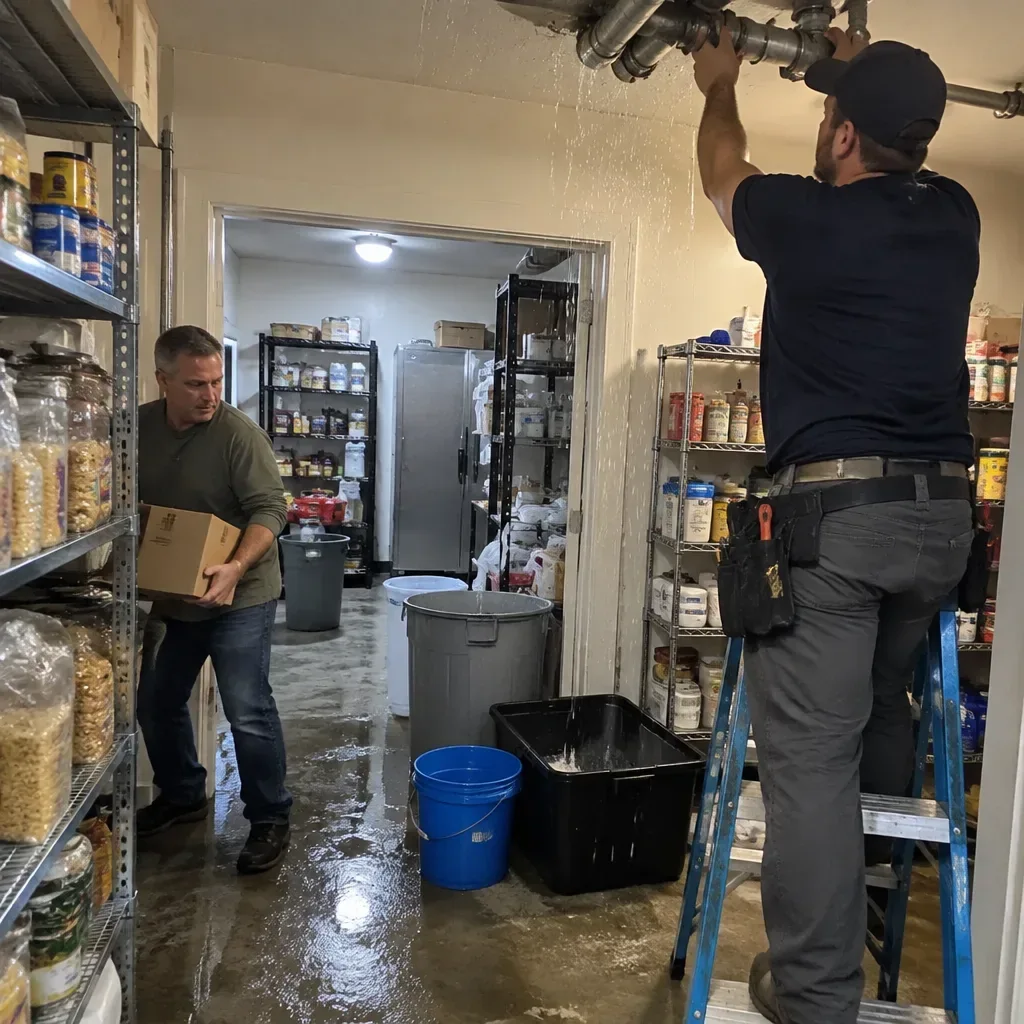
Plan industrial burst pipe repair around site access, process needs, and a staged return to water service.
In Brockton, industrial burst pipe repair can restore production and support areas in stages. Once the damaged section is repaired with compatible materials and checked for leaks, operations can bring affected zones back into service as they are cleared, with the repair scope and restoration status recorded for facility records.
A burst pipe is a break in a water line under pressure. In a Brockton industrial facility, the first concern is how far its effects may reach: a wet floor can be only one sign, while connected production or support areas may depend on the same branch. Start by identifying the affected zones and the systems they rely on. That picture helps operations and maintenance weigh safe isolation against the need to keep essential work moving, and gives the plumbing professional a clearer basis for planning the repair.
Mark the affected production bays, storage areas, and support rooms on a current facility plan, then trace which water services connect them. A Brockton site contact can use a familiar reference such as Everett Leonard Park when describing the property’s location, while the interior map should identify doors, controlled areas, and the affected zones. This separates the visible wet area from the parts of the operation that may lose service. It also gives maintenance and operations a shared picture before they coordinate access or choose an isolation boundary.
Record what staff first noticed, where water is visible now, and which equipment or work areas have changed. In Brockton, a facility near the Salisbury Plain River still needs its own inspection; the landmark says nothing about the condition or cause of a pipe failure inside. Note unusual sounds, pressure changes, or a process interruption alongside the locations involved. These observations help the plumbing professional compare the reported symptoms with the building’s pipe layout and distinguish the likely repair area from other zones that need attention.
Access planning starts with who needs to enter the affected area and when. In a Brockton facility, operations can identify active shifts, restricted production periods, and routes used by staff or material handling, while maintenance can point out service doors and nearby equipment. Share those constraints with the plumbing professional before arranging work at the pipe. A clear access window helps keep people away from the repair area and lets the facility plan around the section of production or support space that may be unavailable.
Before isolating a branch, list the processes and support functions that draw water from it. A Brockton facility may need to coordinate equipment shutdowns, cleaning needs, or other dependent work with operations, rather than treating every connected outlet as interchangeable. Maintenance can compare those needs with available valves and explain which areas each valve serves. That discussion helps identify a boundary that limits the outage while giving affected teams time to adjust their work safely.
| Work area | Water impact | Access needs |
|---|---|---|
| Service use | Process water for equipment | Fixtures and building systems |
| Isolation reach | Branch valve serving process line | Shared header serving support spaces |
| Dependent loads | Cooling or production feed | Sanitation and staff facilities |
| Entry route | Machine aisle or controlled area | Utility room or service corridor |
| Work clearance | Equipment access and safe work space | Unblocked route for site personnel |
| Repair choice | Pipe condition and process connection | Material, size, and fitting match |
| Restart check | Process owner confirms usable flow | Facilities checks support fixtures |
| Closeout notes | Line affected and process restored | Record open work and map cues: Herring Run, Furnace Pond, Everett Leonard Park |
The repair choice depends in part on where the damaged pipe sits and what blocks access. An exposed line in a Brockton service area may be reachable directly, while a line concealed above a ceiling or behind a partition may require access to the affected space. The facility team can identify equipment, stored goods, or controlled rooms near the suspected break so the work can be planned around them. The plumbing professional can then assess the pipe itself and determine what access the repair requires.
Once the damaged section is located, its material, size, and connection type guide the replacement parts and joining method. A Brockton repair may call for replacing a length of pipe or making another compatible repair, depending on the condition of the surrounding line and the available access. Copper, PEX, and other approved systems do not all use the same fittings or methods. The professional should match the work to the installed pipe, then check the repaired section under pressure before service returns.
Give the plumbing professional the site’s entry instructions, contact for operations, and any restrictions on moving through active work areas. At a Brockton warehouse, for example, the access plan should account for working aisles and equipment paths near the repair location. Keep those routes clear as needed and identify who can escort visitors through controlled sections. Coordinating this with maintenance reduces avoidable interruptions and helps the repair proceed without disrupting unrelated work more than necessary.
After the repair is checked, the facility can plan service restoration by area when the pipe layout allows it. In Brockton, operations and maintenance can decide which production or support zone is ready to receive water first, based on process needs and the agreed isolation boundary. Returning one connected area at a time gives staff a chance to notice whether its equipment and outlets behave as expected before other sections come back online. The plumbing professional can advise whether the system permits that staged approach.
As each area resumes water service, have the responsible staff watch for changes at its equipment and outlets. A Brockton operations contact can report unexpected flow, pressure changes, or renewed moisture to the plumbing professional before additional dependent zones return to use. Maintenance can compare those observations with the facility’s normal operating conditions and note where anything seems different. This shared check helps the team catch a problem near the repaired branch while the restoration plan is still in progress.
Keep a repair record that identifies the affected branch, the damaged location, the parts used, and the isolation points applied. For a Brockton facility, note which production and support zones were unavailable and the order in which service returned. Include relevant observations from operations and maintenance, along with any remaining follow-up work. A useful record gives the next shift a clear account of what was repaired and what was checked, without relying on someone’s memory of a busy interruption.
Pipe repair and water-damage cleanup are separate parts of the work. Once the line is addressed, standing water around a Brockton facility or moisture affecting building materials may need attention from a separate provider. Tell operations which areas remain affected so staff can manage access while that work is considered. The plumbing professional can explain the repair scope and confirm the line’s condition; the facility can then arrange any needed extraction, drying, or rebuilding with the appropriate provider.
Do not assume freezing caused the failure before the pipe has been examined. A Brockton facility may have several pipe materials, routes, and operating conditions, so the cause and the extent of damage depend on the specific line. The pros we connect you with can assess the damaged section and explain what repair fits its condition. To support that discussion, gather the zone map, known isolation points, affected processes, and access requirements. Those details help frame an industrial burst pipe repair around the facility’s operational needs.
When you contact the pros we connect you with, have a site contact ready who can coordinate with operations and maintenance. For a Brockton property, a clear location description may use Massasoit Community College as a nearby reference, while entry instructions should name the correct access point and any escort needs. Share the affected zones, suspected line, known valves, and available pipe records. This gives the plumbing professional practical information to review when discussing the repair scope and how production and support service could return.
In Brockton, a wet floor or falling line pressure is only the first clue; the useful question is which production and support functions depend on that supply. Start by matching the affected branch to equipment, wash areas, and staff spaces, then review shutoffs and safe access with operations and maintenance. North Common, South Common, and Veterans Memorial Trail can orient a site description, but none identifies a valve inside a facility. That distinction shapes the work: isolate the smallest workable area, document the repair boundary, and return water in stages after the line is checked.
The linked locations help illustrate the county service area; when you contact a plumbing provider, share your address so they can discuss availability nearby, includingBrockton, Quincy and Mansfield. When you call, ask what the first appointment includes and whether travel is charged apart from the proposed repair.
Commercial burst-pipe work is commonly quoted per visit, with line size and service frequency shaping the estimate; $350–$1,300 can inform budgeting. In an office or retail building, a leak above occupied space may complicate access, while pipe material determines which repair parts will fit.For a Brockton business near Beaver Brook, pipe diameter and damaged-line length can change the compatible pipe and fittings needed, affecting the estimate. Note whether water is still escaping from the break when describing the damage to the pros we connect you with.The pricing guide lays out cost drivers, while the commercial overview walks through the checks used to assess a commercial repair.
Commercial Office Plumbing
Brockton Hospitality Plumbing
Restaurant Pipe Repair
Give the plumbing professional a facility plan showing the affected branch, nearby shutoffs, and connected production and support spaces. Operations staff can flag equipment that must stop, while maintenance can explain entry routes, restricted areas, and access needs. In Brockton, include the building address and internal area names; broad references such as North Common do not show where a pipe runs inside the site.
Compare each available valve with the line drawing and ask which functions lose water when it closes. Operations and maintenance can identify process links that may not appear on plumbing plans. In Brockton, a workable boundary limits the outage to the affected branch where the layout allows, while keeping unrelated production and support areas supplied.
Share current piping drawings, valve labels, prior repair notes, and details about the pipe material and connections. Equipment maps or process notes can reveal dependencies that maintenance drawings leave out. These records help the plumber assess access and choose compatible parts; note any gaps so staff knowledge can fill them during planning.
The plumber locates the break, isolates water when it is safe, and assesses the pipe and connected fittings. Depending on the material, damage, and access, repair may mean replacing a section or using a compatible fitting. The completed work is checked for leaks and flow before operations return dependent equipment to service. Water removal and building repairs may need separate providers.
Share the affected systems, possible shutoffs, and access needs with the pros we connect you with to plan industrial burst pipe repair.
Call (508) 446-9387