Office Burst Pipe Repair
Commercial Office Plumbing
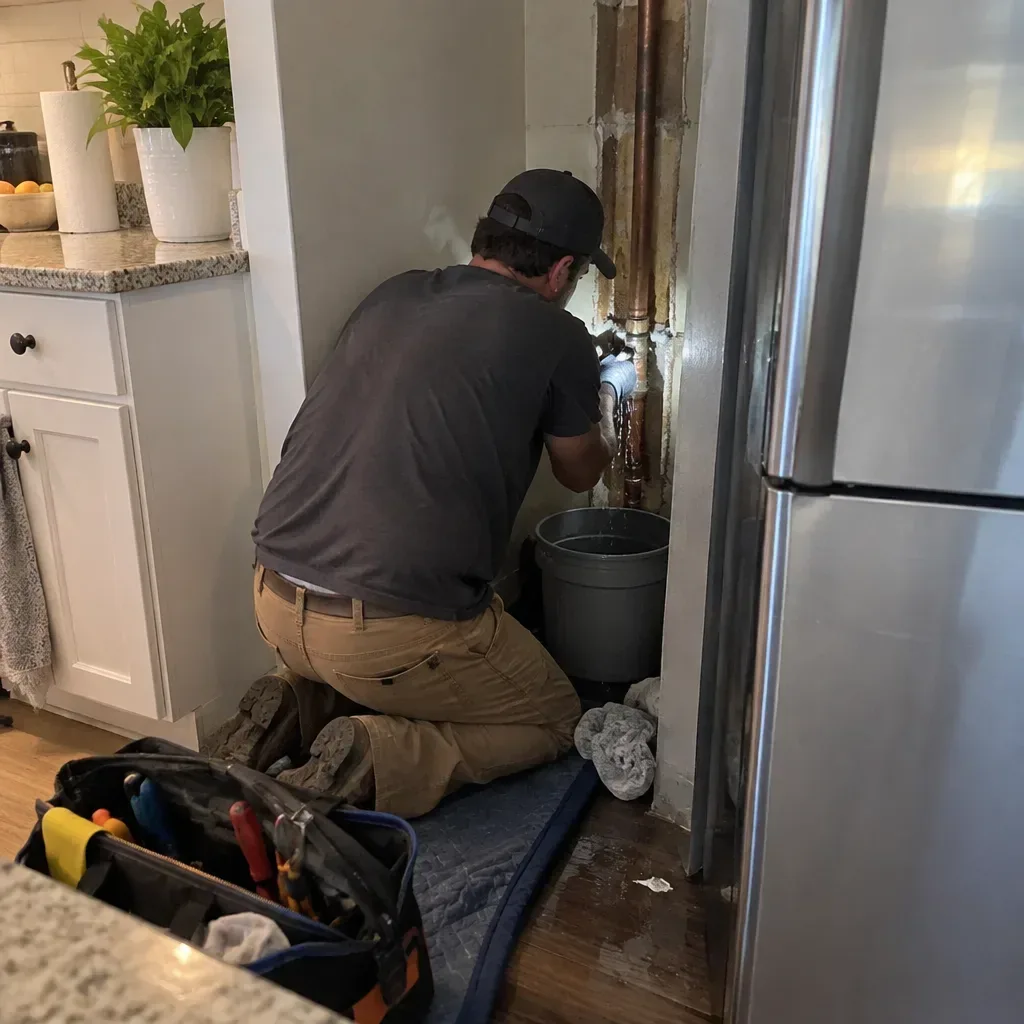
Coordinate campus access and room use as a plumber finds and repairs the failed water line.
A plumber coordinates entry and a safe work boundary with school staff, traces the failed supply, and plans isolation around occupied rooms. After a compatible repair, the plumber restores service and checks for leaks; facilities staff can track room status and share updates.
A burst is a split in a water line under pressure, and on a school campus the first concern is how water, people, and building access intersect. In Brockton, a leak near a classroom, kitchen, or shared corridor can affect spaces beyond the wet spot. The repair plan starts by identifying the affected area, then arranging safe access and deciding who needs updates before water is isolated. That order helps the plumber address the pipe while school staff manage movement and daily operations.
Before the pros we connect you with arrive, give them the campus entrance, check-in instructions, and a staff contact who can meet them. Point out restricted rooms, escort rules, and where tools or materials may be brought inside. A university plumbing call may involve several buildings or departments, so identify the one person who can coordinate with facilities staff. In Brockton, clear arrival details help keep the visit within the school’s access procedures and away from areas students should not enter.
Water on a floor, a ceiling mark, or a hiss behind a wall can indicate a supply line has failed, but the visible sign may be some distance from the break. A plumber traces the affected route and checks accessible pipework before deciding where to open a surface. At a campus near D.W. Field Park, for example, staff can help identify the room and building where moisture first appeared. That history gives the plumber a useful starting point without assuming the stain marks the exact failure.
Before isolating a line, facilities staff and the plumber should establish which rooms rely on it. A branch serving one sink may be handled differently from a supply that also feeds restrooms, food service, or teaching spaces. Review building plans or valve labels if available, and have someone familiar with the system confirm what they indicate. Brockton school staff can also flag rooms with scheduled use so the plumber understands what losing water in that zone would affect.
Once the affected supply is understood, agree on when water can be stopped and who will tell staff about the interruption. A continuing leak may require isolation before the preferred window, while a controlled situation may allow coordination around classes, meals, or campus events. If a valve is in a wet area or near an electrical hazard, do not approach it; let the plumber assess a safe way to control the supply. Keep any schedule flexible until the line and conditions are clear.
| Affected area | Entry plan | Water service |
|---|---|---|
| Site identity | Confirm building, floor, and room with facilities staff | Brockton site name; Massasoit Community College if applicable |
| Safe routes | Keep repair activity clear of student circulation | Approved entrance and alternate paths; local landmarks if useful |
| Valve scope | Identify classrooms, labs, or restrooms losing water | Affected fixtures and the isolation point |
| Service window | Fit the shutoff plan around classes, meals, and events | Agreed work period and school contact |
| Staff notice | Tell affected staff before water service changes | Recipients, rooms, and message timing |
| Pipe exposure | Locate the leak or plan an approved opening | Access point and surface needing follow-up |
| Part selection | Match replacement parts to pipe material and connection | Pipe details and fitting used |
| Return to use | Check the repair for leaks and confirm water flow | Leak check, restored fixtures, and follow-up items |
After water flow is controlled, the plumber examines the damaged pipe and the nearby joints for material, size, connection type, and surrounding condition. These details guide whether a fitting or replacement section can work with the installed system. Copper, PEX, and other pipe types call for compatible parts and methods, so a repair should follow what is actually present rather than a building-wide assumption. In Brockton, older and newer campus areas may have different layouts; the affected line needs its own assessment.
If water appears below a ceiling or on the far side of a wall, the pipe may be concealed and the moisture may have traveled from its source. The plumber can discuss the likely access point with facilities staff before opening the surface. Staff can identify occupied rooms, sensitive equipment, or teaching materials nearby and help select a practical work area. Along Beaver Brook, campus conditions still vary building by building; visible water alone does not show how much access the repair will need.
With the break exposed, the plumber determines whether a compatible fitting can address the damage or whether a section of pipe should be replaced. The replacement parts must suit the existing line, and the joining method must match that system. A temporary measure may help control some accessible leaks, but it does not settle the question of a lasting repair. The plumber should explain the proposed work to the facilities contact before proceeding, especially if access affects a room in active use.
While the line is shut down, staff need a clear description of which areas have lost water and whether the affected zone has changed. Choose one facilities contact to relay updates to teachers, office staff, and other campus leads, so people are not working from different assumptions. If the repair affects a space near Route 3, the location itself does not determine the outage; the connected plumbing does. Ask the plumber to describe the supply involved in terms staff can use to guide campus decisions.
Agree with the plumber where work begins, how the access route will be used, and what area needs to stay clear. School staff know when hallways, entrances, and shared rooms are busy; the plumber can explain the space needed to reach the line safely. Use that information to direct students around the work area and keep equipment away from ordinary foot traffic. In Brockton, a repair near a campus entrance may call for a different route than work in a room reached through staff areas.
Record which valves were reopened, what checks remain, and who should review them, so the facilities contact has a clear handoff after service returns and can follow up on lingering concerns. The facilities contact can then verify that expected fixtures receive water and report anything that still seems wrong. Staff should know which rooms are ready for normal use and whether any plumbing remains isolated. Near the Salisbury Plain River or elsewhere in Brockton, the campus process is the same: confirm the affected supply and fixtures directly rather than relying on the work location alone.
Keep a facilities record that identifies the building and room, the affected supply, what work was performed, and which fixtures had service restored. Note any remaining plumbing issue and who is handling follow-up. The plumbing repair addresses the water line; removing water, drying materials, and repairing finishes may call for separate services. That distinction helps staff track the pipe work and the condition of the space as separate tasks, including areas where moisture showed up away from the break.
When you contact an independent local plumbing pro about school burst pipe repair in Brockton, describe where water appeared, which rooms are affected, and any access steps for visitors. Share the school schedule and explain who can confirm the relevant shutoff and building route. Keep photos of visible water and affected fixtures with the service notes, and treat them as observations rather than proof of where the pipe failed. Avoid guessing at the failed pipe’s location if it has not been traced.
Before the visit, decide who will receive the plumber’s findings and update the facilities record. After the line is checked, staff will still need to know which spaces can return to use and whether water-damaged materials need attention. Which fixtures are back in service, and does any part of the supply remain isolated? Those answers help guide the next campus decision. If the leak’s path was unclear, ask what the inspection established about its source and any area that still needs review.
When a pipe lets go during a class day, the first visible sign may be a wet ceiling tile, a slick corridor, or water near a mechanical room. Water can soak insulation or finishes before a leak becomes visible in the room below. A plumber and facilities lead can agree on access boundaries, identify which rooms depend on the line, and choose a workable isolation window before opening the area. This page follows that sequence, then covers repair checks and the handoff staff need when service returns.
The linked locations help illustrate the county service area; when you contact a plumbing provider, share your address so they can discuss availability nearby, includingBrockton, Quincy and Mansfield. Ask for the expected repair scope and confirm whether reaching the property carries a separate fee, especially when it sits beyond routine coverage.
Commercial burst-pipe work is commonly quoted per visit, with line size and service frequency shaping the estimate; $350–$1,300 can inform budgeting. In an office or retail building, a leak above occupied space may complicate access, while pipe material determines which repair parts will fit.For a Brockton business near Beaver Brook, pipe diameter and damaged-line length can change the compatible pipe and fittings needed, affecting the estimate. Note whether water is still escaping from the break when describing the damage to the pros we connect you with.The pricing guide lays out cost drivers, while the commercial overview walks through the checks used to assess a commercial repair.
Commercial Office Plumbing
Brockton Hospitality Plumbing
Restaurant Pipe Repair
Give the plumber the school’s entry instructions, the affected building and room, and the name of the staff member who can arrange access. Let them know which corridors or rooms are in use and where students can be redirected. At a Brockton campus such as Massasoit Community College, the building’s own access plan will guide the visit; staff can keep the work boundary clear while the plumber assesses the pipe.
The plumber can trace the affected supply and determine whether a branch serves only one area or feeds other parts of the building. Facilities staff can identify rooms that need water and discuss an isolation window around classes, meals, or other scheduled use. The actual valve layout and pipe routing determine what can be shut off locally, so the plumber should confirm the impact before changing service.
Record the affected building and room, the time service changed, and which areas were affected. Add the pipe section and fittings addressed, the water service status after the work, and the plumber’s findings from the repair check. Note which staff received updates and whether room access changed. This gives facilities staff a useful record for future maintenance and for communicating the status of the space.
After locating the break, the plumber assesses the pipe material, size, condition, and connection to choose a compatible repair. Depending on access and damage, that may mean replacing a section or fitting an appropriate connection. The plumber then restores water and checks the repaired area for leaks. Drying wet materials or repairing ceilings and walls may require separate work.
Discuss the affected rooms, building entry procedures, and school schedule with the pros we connect you with.
Call (508) 446-9387